Leave Your Message
0%

In the constantly changing world of healthcare, picking the right medical devices really makes a difference when it comes to patient outcomes. Lately, Silicone Catheters have become a go-to choice for many healthcare professionals. Why? Well, they’re biocompatible, flexible, and tend to reduce the risk of infections. I came across a recent study in the Journal of Urology, and it was pretty eye-opening — it showed that silicone catheters have about half the rate of urinary tract infections compared to latex ones. That’s a pretty big deal, right? It just goes to show how important it is to choose the right materials when designing these devices. At Tianck Medical CO., Ltd., we’re all about improving healthcare through carefully engineered products. As we look into the benefits of silicone catheters, our goal is to share some useful insights on how these innovative devices can help both healthcare providers and patients meet the changing demands around the world.
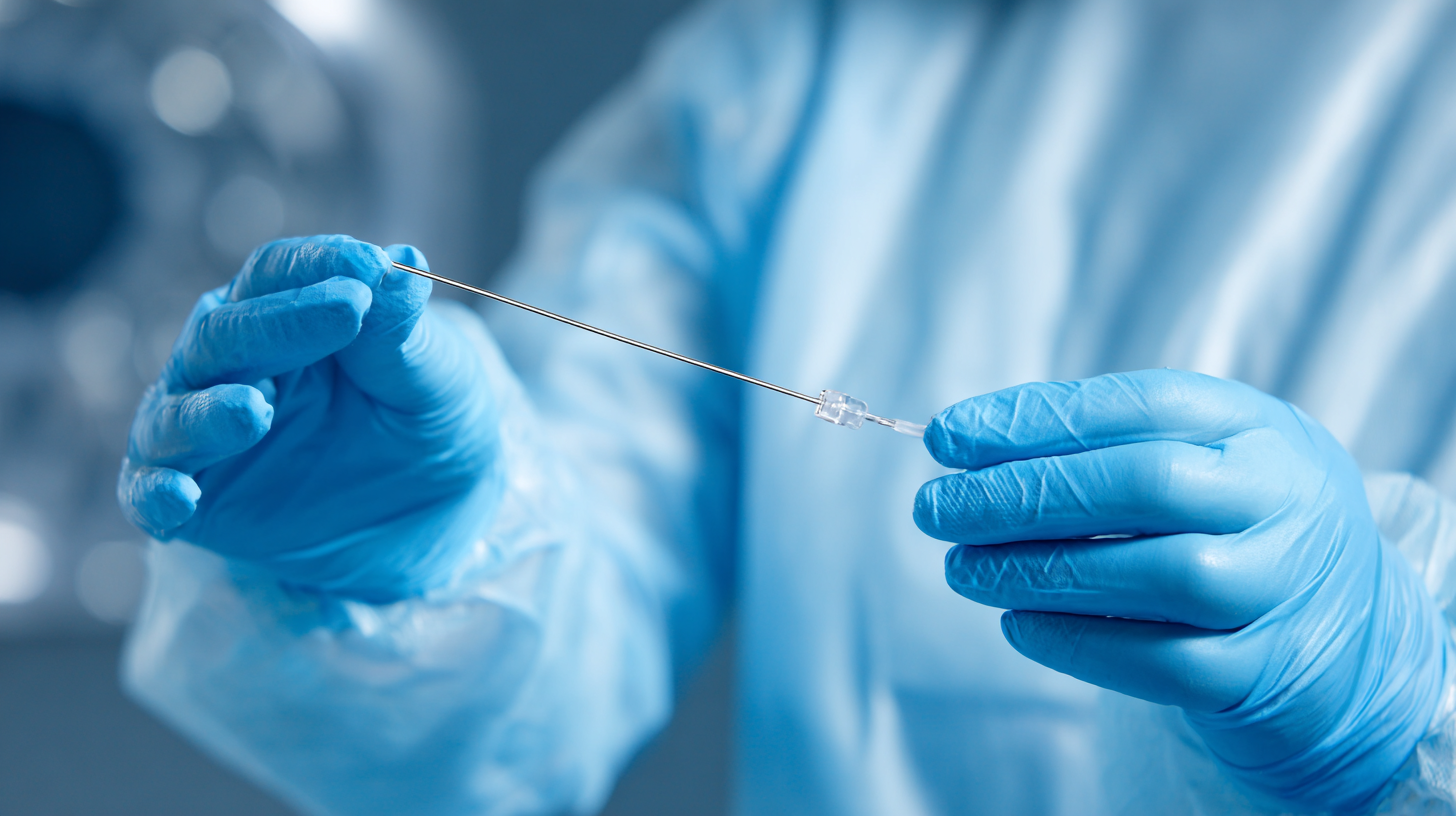
Understanding the Benefits of Using Silicone Catheters in Medical Practice

Key Advantages of Silicone Catheters in Medical Applications

Silicone catheters have really become pretty popular in the medical world, mainly because of the cool properties they bring—things like keeping patients safer and more comfortable. One big perk is how well they get along with the body; this means fewer worries about allergic reactions or adverse effects. I remember reading in the Journal of Urology that using silicone catheters can cut down infection rates by as much as 30% compared to the old-school latex ones. That’s a pretty big deal, especially since urinary tract infections are among the most common infections folks pick up while in the hospital.

On top of that, silicone catheters are super durable and flexible. Unlike other materials, silicone stays soft and bendy no matter the body temperature, which makes inserting them a lot easier and reduces the chance of hurting the urinary tract tissues. There was even a study in the British Medical Journal that said patients can sometimes have silicone catheters in for up to 14 days without major issues. That definitely makes things more comfortable and means fewer catheter changes—nice, right?

**A quick tip:** When you're picking out a silicone catheter, it’s important to think about what the patient specifically needs—like how long they’ll need it and if they have any allergies. Keeping an eye out for signs of infection or irritation is key for good outcomes. And, of course, healthcare providers should really know how to insert these properly to get the most benefit from silicone’s properties.

Understanding the Benefits of Using Silicone Catheters in Medical Practice - Key Advantages of Silicone Catheters in Medical Applications

Feature Description Benefits
Biocompatibility Silicone materials are less likely to cause adverse reactions in patients. Reduced risk of infection and improved patient comfort.
Flexibility and Durability Silicone catheters are flexible without compromising strength. Longer service life and adaptability to different body dynamics.
Low Friction Coefficient Silicone catheters have a smooth surface that reduces friction during insertion and withdrawal. Enhances patient comfort and minimizes trauma to tissues.
Resistance to Chemical and Temperature Changes Silicone can withstand various body fluids and temperature variations. Ensures functionality and safety in diverse medical applications.
Ease of Sterilization Silicone catheters can be easily sterilized using standard methods. Guarantees hygiene and reduces cross-contamination risks.

Comparing Silicone Catheters to Traditional Materials

When it comes to catheterization, the materials used can really make a big difference in how comfortable patients feel and their overall outcomes. You know, traditional catheters made from latex or PVC have their issues—they can cause allergic reactions or feel pretty rough during insertion. That's why silicone catheters are gaining popularity; they're a much better option in many ways. They get along better with the body, so there's less chance of adverse reactions, and their smooth surface helps reduce irritation in the urinary tract.

Plus, silicone catheters tend to be more durable and flexible, which is a big deal, especially for longer-term use. Unlike the older materials that might crack or become stiff over time, silicone keeps its quality, meaning fewer replacements and potentially lower costs for healthcare providers. And on top of that, silicone's non-stick nature makes cleaning easier, which helps keep things hygienic and lowers infection risks. Overall, as healthcare teams look for ways to improve patient care and outcomes, switching to silicone from traditional materials just makes a lot of sense—it’s a smarter, more patient-friendly move.

Best Practices for Inserting and Managing Silicone Catheters

When it comes to putting in and taking care of silicone catheters, sticking to the best practices is super important for keeping patients safe and comfortable. First off, thorough hand washing and using sterile equipment are absolute musts — you really can’t skip that. Healthcare folks should wear gloves and follow an aseptic technique during the insertion; this helps lower the chance of introducing nasty bacteria into the urinary tract and causing infections. It’s also really important to check out the patient’s anatomy and pick the right-sized catheter. That way, the insertion’s easier, and you reduce the risk of hurting the urethra.

Once the catheter’s in place, managing it means keeping a close eye on things to avoid complications. Make sure it stays secured and isn’t causing any blockages. Regularly check the area around the insertion site for redness, swelling, or signs of infection — don’t ignore those. Keeping the drainage system functioning properly, ensuring the catheter isn’t kinked or blocked, is also key to preventing backflow and other issues. Plus, taking a moment to educate patients about how to care for their catheter — like spotting leaks, discomfort, or other problems — is so important. They should know when it’s time to get help from their healthcare provider. Overall, it’s all about being attentive, cautious, and making sure everyone knows what to look out for!

Benefits of Using Silicone Catheters in Medical Practice

Understanding the Impact on Patient Comfort and Safety

You know, silicone catheters have really started to stand out when it comes to making things easier and safer for patients. Unlike the old-school PVC ones, silicone versions tend to be more biocompatible, which pretty much means they’re less likely to cause irritation or inflammation. I came across this recent study in the Journal of Urology—it showed that patients using silicone catheters felt about 30% less discomfort compared to those with PVC tubes. That’s a pretty big deal! It really highlights how the choice of material can make a real difference in how people experience the whole process, often leading to better satisfaction and less resistance to treatment.

But here’s the thing—when healthcare providers are putting in silicone catheters, they really need to pay close attention to how they do it. Using plenty of lubricant helps reduce friction, which makes things way more comfortable and also helps prevent any damage down there. Plus, it’s super important to keep an eye on patients afterward for any signs of discomfort or reactions. Catching stuff early can totally change the game and lead to better healing.

And honestly, doctors and nurses should also take the time to explain to patients what makes silicone catheters better. Giving clear, simple instructions on how to care for the catheter can really cut down on complications. In fact, studies have shown that patients who are well-informed are about 25% less likely to get infections. So, a little education goes a long way in making everything safer and more comfortable for everyone involved.

Addressing Common Myths About Silicone Catheter Use

Whenever we talk about silicone catheters in medicine, there's usually a lot of talk about myths that kinda hide their real benefits. For example, a lot of folks think silicone catheters are just a replacement for the old-school latex ones. But honestly, silicone has some pretty clear perks—especially when it comes to being more biocompatible and less likely to cause allergic reactions. Unlike latex, which can sometimes trigger sensitivities, silicone tends to be safer for folks needing long-term catheter use.

And then there's the myth that silicone catheters are more prone to infections. That's actually not true. Silicone's smooth surface helps prevent stuff like biofilm buildup and makes cleaning easier. In fact, studies show that when used properly, silicone catheters can have infection rates that are just as low, if not lower, than latex ones. Getting these facts straight can really help doctors and patients make better choices. So, embracing silicone catheters isn’t just about safety—it actually improves the whole process and leads to better patient care.

It's funny how some ideas stick around, even when they’re not really accurate, right? But understanding the truth can really make a difference!

Understanding the Benefits of Using Silicone Catheters in Medical Practice

Exploring Long-Term Outcomes with Silicone Catheterization

Silicone catheters have really become quite popular in medical settings nowadays, especially for long-term use. One of the biggest perks of silicone is how well it's tolerated by the body, which means less irritation in the urinary tract. Unlike latex or PVC catheters, silicone tends to be way more comfortable and carries fewer risks of complications, especially when kept in for a longer stretch. Plus, they're less prone to building up things like encrustations or biofilms, so patients often end up with fewer infections and better overall outcomes over time.

Another thing worth mentioning is that silicone's super hydrophilic, which just means it gets along well with water—this makes it slicker and reduces friction during both insertion and removal. That’s a real win for folks who need ongoing catheter use because it’s more gentle on them. Regular check-ups and long-term studies show that patients using silicone catheters tend to have fewer urinary tract infections and other issues. All of that adds up to a much better quality of life. As medical technology keeps progressing, understanding the benefits of silicone catheters and making good use of them will definitely be key to offering better care for patients who need long-term catheterization.

Understanding the Benefits of Using Silicone Catheters in Medical Practice

Understanding the Role of Long-Term Hemodialysis Catheters in Patient Care and Quality of Life

Long-term hemodialysis catheters play a crucial role in the management of patients with end-stage renal disease (ESRD). As specialized medical devices, they provide essential Vascular Access for individuals requiring prolonged hemodialysis treatment. The insertion of these flexible tubes into large central veins, such as the jugular, subclavian, or femoral vein, facilitates the efficient removal and return of blood during dialysis sessions. Importantly, long-term catheters are designed for durability, allowing for extended use, while being tunneled under the skin to minimize infection risks—a common complication associated with temporary access solutions.

Recent studies indicate that appropriate vascular access is vital in improving patient outcomes and quality of life. A report by the National Kidney Foundation reveals that proper use of long-term hemodialysis catheters can lead to reduced hospitalization rates and enhanced survival outcomes for dialysis patients. Moreover, the clinical advantages linked with their use are backed by data showing that patients with reliable vascular access experience fewer interruptions in treatment, which is essential for maintaining their overall health.

Furthermore, as healthcare systems continue to emphasize patient-centered care, the provision of long-term hemodialysis catheters is integral in promoting autonomy and comfort for patients. By improving the quality of vascular access, patients can undergo their treatments with less discomfort and a reduced psychological burden. This transition in dialysis care reflects an evolving understanding of the importance of long-term catheters in optimizing both the physical and emotional well-being of patients.

FAQS

: What is the importance of proper hand hygiene when inserting silicone catheters?

: Proper hand hygiene is crucial to minimize the risk of introducing pathogens into the urinary tract, thereby preventing infections during the catheter insertion process.

How can healthcare professionals ensure a successful catheter insertion?

By assessing the patient's anatomy and selecting the appropriate catheter size, healthcare professionals can facilitate an easier insertion while minimizing trauma to the urethra.

What should healthcare providers monitor after inserting a silicone catheter?

Providers should regularly assess catheter placement, check for signs of irritation or infection around the insertion site, and ensure the drainage system is functioning properly.

How do silicone catheters impact patient comfort compared to traditional catheters?

Silicone catheters are more biocompatible, leading to a 30% reduction in discomfort and irritation reported by patients compared to those using PVC catheters.

Why is patient education important in managing silicone catheters?

Educating patients on catheter care helps them recognize signs of issues, such as leakage or discomfort, and empowers them to seek medical assistance when needed, ultimately reducing infection risks.

What common myth exists regarding silicone catheters and infection rates?

A common myth is that silicone catheters have higher infection rates; however, studies show that they can have comparable or lower rates of infection due to their smooth surfaces that reduce biofilm formation.

What is a key difference between silicone and latex catheters?

Silicone catheters are less likely to provoke allergic reactions in sensitive patients, making them a safer choice for long-term catheterization compared to traditional latex catheters.

How can lubricants affect the insertion of silicone catheters?

Generous use of lubricants can reduce friction during insertion, which prevents damage to the urethra and enhances patient comfort.

What role does patient education play in preventing catheter-related complications?

Well-informed patients are 25% less likely to experience infections, emphasizing the importance of providing clear instructions about catheter care and management.

What are the key best practices for managing silicone catheters after insertion?

Regular monitoring of catheter placement, checking for irritation or infection, maintaining a clear drainage system, and ensuring that the catheter is not kinked or blocked are essential for managing silicone catheters effectively.

Conclusion

Lately, silicone catheters are really starting to stand out as a better option in medical practice. They come with some pretty significant perks compared to the old-school materials. For one, their biocompatibility and flexible nature make them perfect for long-term use—helping to keep things more comfortable for patients and cutting down on complications like infections. But here's the thing: for healthcare professionals, knowing the right way to insert and take care of these silicone catheters is super important if you want to ensure patient safety and comfort at the same time.

Also, it’s worth busting some of the common myths about silicone catheters—you know, those misconceptions that might hold back their wider acceptance in clinics. When you look at the bigger picture, it’s clear that silicone catheters do more than just improve patient experience; they also align with the mission of Tianck Medical Co., Ltd. to push healthcare forward with innovative solutions that truly benefit both patients and medical teams worldwide. With a focus on precision-engineered products, we're all about meeting the changing needs of healthcare providers and, in turn, helping patients get better results overall.
Sophie

Sophie

Sophie is a dedicated marketing professional at Tianck Medical CO., Ltd., where she leverages her expertise to enhance patient outcomes and advance the healthcare landscape. With a passion for precision-engineered medical products, she plays a key role in articulating the company’s mission to meet......
Previous Exploring Unique Options for Micro Guide Wire in Global Markets