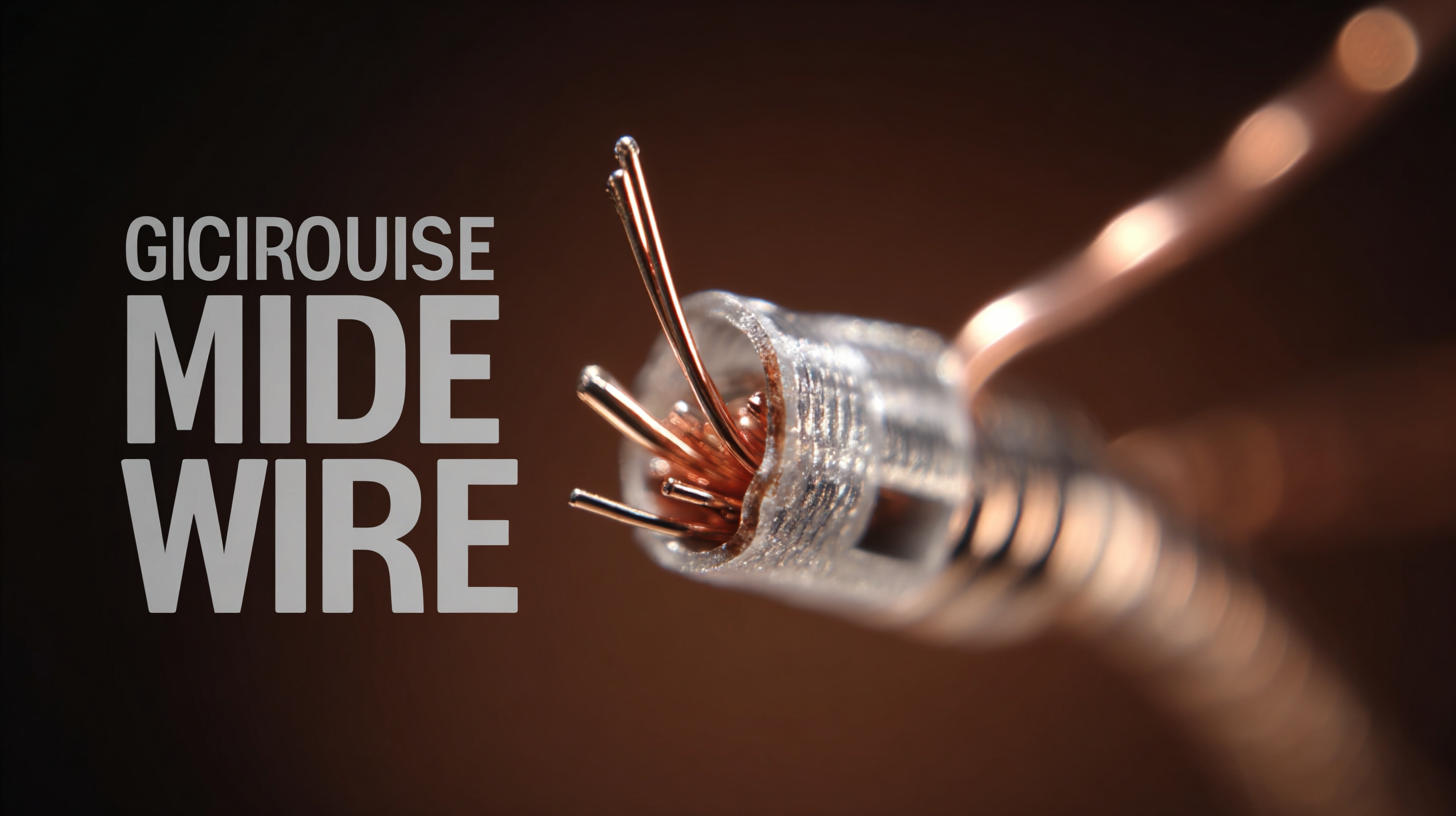
You know, in the fast-changing world of medical tech, it’s really hard to overemphasize just how crucial precision tools like the Micro Guide Wire are. I came across this interesting report from Grand View Research, and it mentions that by 2025, the global market for guide wires is expected to hit around USD 5.68 billion! That’s mainly because there’s a growing need for minimally invasive procedures, especially with all the heart and brain issues people are dealing with these days. At Tianck Medical Co., Ltd., we totally get how important it is to have well-designed Micro Guide Wires. They really help improve patient outcomes and make complex surgeries go a lot smoother. We’re all about pushing healthcare forward in a way that supports both medical pros and patients, wherever they may be. So in this blog, let’s dive into the features and uses of the best Micro Guide Wires and chat about how to pick the right one for different medical procedures.
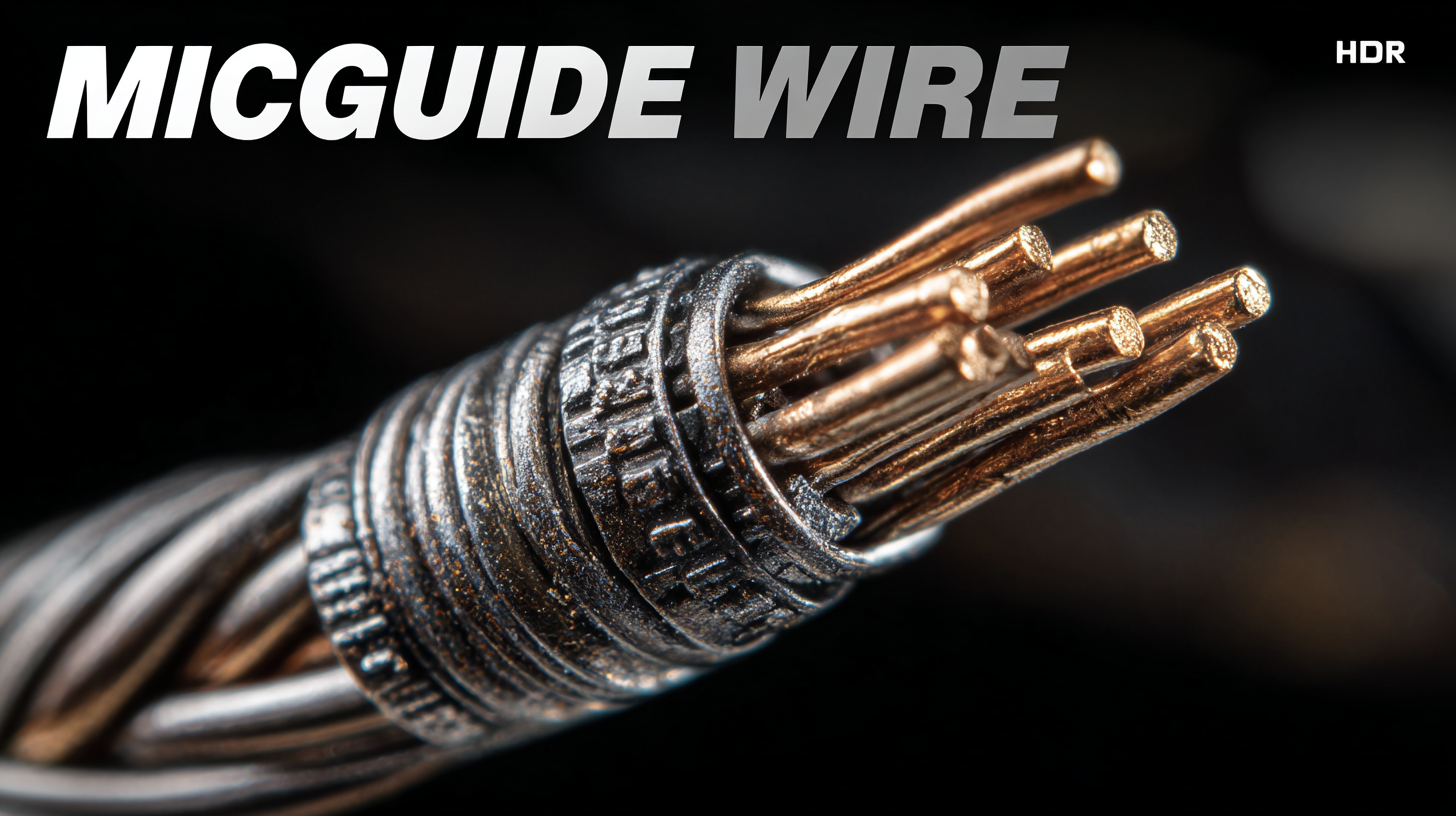
Choosing the best micro guide wires can feel a bit overwhelming, but there are some key features you definitely want to keep in mind. A top-notch micro guide wire should be super flexible and easy to maneuver—that way, you can navigate those tricky, narrow pathways in the anatomy without a hitch. You'll also want to check out the outer coating; it should strike that perfect balance between being tough and allowing for smooth movement to help prevent any accidental vessel damage during procedures.
And let’s not forget about radiopacity. It’s a biggie! This property makes sure that you can see the wire clearly under imaging techniques, which is super important for placing and tracking it accurately during interventions. With all the cool advancements in flexible electronics nowadays, like those fancy helical micro guide wires that mimic nature, it’s worth thinking about how these innovations could work for your specific needs.
**Quick tips**: When you're on the hunt for a micro guide wire, start by thinking about what the procedure requires and the specific anatomy involved to make sure everything's compatible. Next, look for wires that have been put to the test in similar situations—this will help you feel confident in their performance and reliability. And of course, chatting with healthcare pros who actually use these tools can provide priceless insights into how well they work in real-life scenarios.
Micro guide wires play a critical role in various medical procedures, especially in interventions requiring precision and flexibility. Understanding the different materials used in micro guide wires is essential for selecting the right tool based on the clinical requirements. Common materials include stainless steel, nitinol, and polymer. Stainless steel offers durability and strength, making it suitable for a range of applications. Nitinol, with its unique shape memory and superelastic properties, is ideal for navigating complex vascular structures. Polymer-based wires provide enhanced flexibility, allowing for superior maneuverability in delicate environments.
When choosing a micro guide wire, consider the specific application and the characteristics of the materials. Tip: Always assess the stiffness and flexibility needed for your procedure, as this will directly impact navigation through vessels. Additionally, check for the wire's coating, which can influence smoothness and reduce friction — Tip: A hydrophilic coating can enhance performance in wet environments, making advancement easier. Lastly, it’s crucial to review compatibility with other devices used during the procedure, as not all wires can be effectively paired with every type of catheter. Tip: Consult with experienced colleagues or suppliers to gain insights on the best materials and configurations for your needs.
You know, micro guide wires have really become game changers in today’s medical field. They help doctors navigate through those tricky vascular systems with a lot more accuracy. These super thin wires—usually less than 0.035 inches in diameter—are crucial for all kinds of procedures, especially in areas like interventional cardiology and vascular surgery. What’s really great about them is their ability to wiggle through complex anatomy, which means doctors can deliver diagnostic devices and treatment tools right where they’re needed most, leading to better outcomes for patients.
When we talk about their uses, micro guide wires play a key role in procedures like angioplasty and putting in stents. For instance, during angioplasty, these wires are essential for getting balloons into narrow or blocked arteries, helping to open things up and get blood flowing again. Plus, they’re also used for catheter placements, which makes it easier to deliver meds exactly where they’re needed. And it doesn’t stop there! In peripheral interventions, these little wonders excel at navigating tiny vessels in our limbs, which really cuts down on complications that bigger instruments might cause. By making the whole approach smoother and less invasive, micro guide wires have totally transformed minimally invasive surgeries, making them not just more effective, but also a lot safer for patients.
Choosing the right micro guide wire can feel like a bit of a puzzle, but getting a grasp on its features and applications is super important. These little tools are key players in minimally invasive procedures, especially in fields like interventional radiology and cardiology. Did you know that a recent analysis by MarketsandMarkets suggests the global micro guide wire market is set to grow by 6.5% annually from 2021 to 2026? Yeah, it’s all thanks to new tech and more patients opting for less invasive treatments.
So, when you're on the hunt for a micro guide wire, there are a couple of things you really want to keep in mind, like the diameter, the material it’s made from, and its flexibility. Ideally, you’re looking at a wire diameter that falls between 0.014 inches and 0.035 inches—this size is key for maneuvering through tricky anatomy. And don’t forget about the materials! High-quality stuff like stainless steel or nitinol can make a world of difference in strength and flexibility.
The tip design of the guide wire is another biggie; it can really impact how well it works in real clinical situations. For instance, a tapered or hydrophilic tip can really help when you're trying to navigate through tougher pathways. Research published in the Journal of Vascular Surgery even points out that using the right guide wire can cut down procedure times by up to 30%! That just goes to show how crucial it is to pick the right tool for the task at hand.
Lastly, always take a moment to look over product specs and chat with seasoned clinicians—you want to make sure you’re making an informed choice for the best outcomes for your patients.
When you're picking out a micro guide wire, it's super important to steer clear of some common mistakes that could lead to less-than-ideal performance or even complications down the line. One major blunder is not paying attention to the material and stiffness of the wire. I mean, according to Medline, the stiffness really affects how maneuverable and accessible it is in those tricky vascular systems. If you choose a wire that's too stiff, you could end up causing some serious trauma to the vessel. On the flip side, going with one that's too flexible might not give you the support you need. So, striking the right balance based on your specific procedure? Totally essential.
Another thing folks often forget is to check the wire's diameter and length. A study in the Journal of Vascular Surgery points out how the diameter can really influence how well the wire pushes and tracks, which is huge when you're trying to navigate through tight spaces. So, always double-check the specs you need for your procedure to avoid any headaches.
Tips: If you’re ever in doubt, it’s a good idea to look at the latest clinical trials or chat with seasoned colleagues to get a grasp on what options might work best for you. And don’t forget to keep an eye on the latest and greatest in guide wire technology—newer wires often come with upgraded features and better support, which can really improve patient outcomes.
When it comes to selecting the right micro guide wire, expert recommendations can be invaluable. Among the top brands in the market, Cook Medical, Boston Scientific, and Medtronic consistently receive high praise for their performance and reliability. Cook Medical’s micro guide wires are noted for their excellent flexibility, making them ideal for navigating complex vascular structures.
Boston Scientific, on the other hand, offers a variety of options tailored for different procedures, ensuring that healthcare professionals have the right tools at their disposal. Meanwhile, Medtronic is recognized for its innovative designs that enhance maneuverability and strength.
Tips for choosing the right micro guide wire include considering the specific medical procedure and the anatomical characteristics of the patient. It’s essential to assess the wire's diameter and stiffness, as these factors can significantly impact its performance. Additionally, take note of the wire's coating, as a hydrophilic coating can improve navigation through challenging vessels. Always consult peer reviews and clinical data to gauge the effectiveness of each brand, as firsthand experiences can often highlight nuances that are not immediately apparent in product specifications.
: Micro guide wires are fine wires measuring less than 0.035 inches in diameter, essential for navigating complex vascular systems. They are primarily used in interventional cardiology and vascular surgery, facilitating procedures like angioplasty and catheter placements.
By enabling targeted delivery of diagnostic devices and therapeutic tools through tortuous anatomy, micro guide wires enhance the precision of medical procedures, resulting in improved efficacy and safety, and ultimately better patient outcomes.
Common pitfalls include neglecting the wire's material and stiffness, and overlooking the diameter and length of the wire, both of which can affect maneuverability and pushability during procedures.
Wire stiffness significantly impacts maneuverability and accessibility in complex vascular systems. A wire that's too stiff may cause vessel trauma, while one that's too flexible may lack adequate support.
Professionals should consider the specific medical procedure, the anatomical characteristics of the patient, and the wire's diameter, stiffness, and coating, as these factors affect the wire’s performance and navigation capabilities.
Recommended brands include Cook Medical, Boston Scientific, and Medtronic, known for their performance and reliability. They offer different features tailored to various procedures and anatomical challenges.
A hydrophilic coating on a micro guide wire can enhance its ability to navigate through challenging vessels, improving its overall performance during medical procedures.
Professionals should refer to recent clinical trials, peer reviews, and clinical data to gauge the effectiveness of micro guide wires, as well as seek advice from experienced colleagues.
Newer micro guide wires may offer enhanced features and better support, which can lead to improved maneuverability and reduced complications during minimally invasive surgeries.
In peripheral interventions, micro guide wires are crucial for navigating small vessels in limbs, helping to reduce complications that can arise from using larger instruments.